
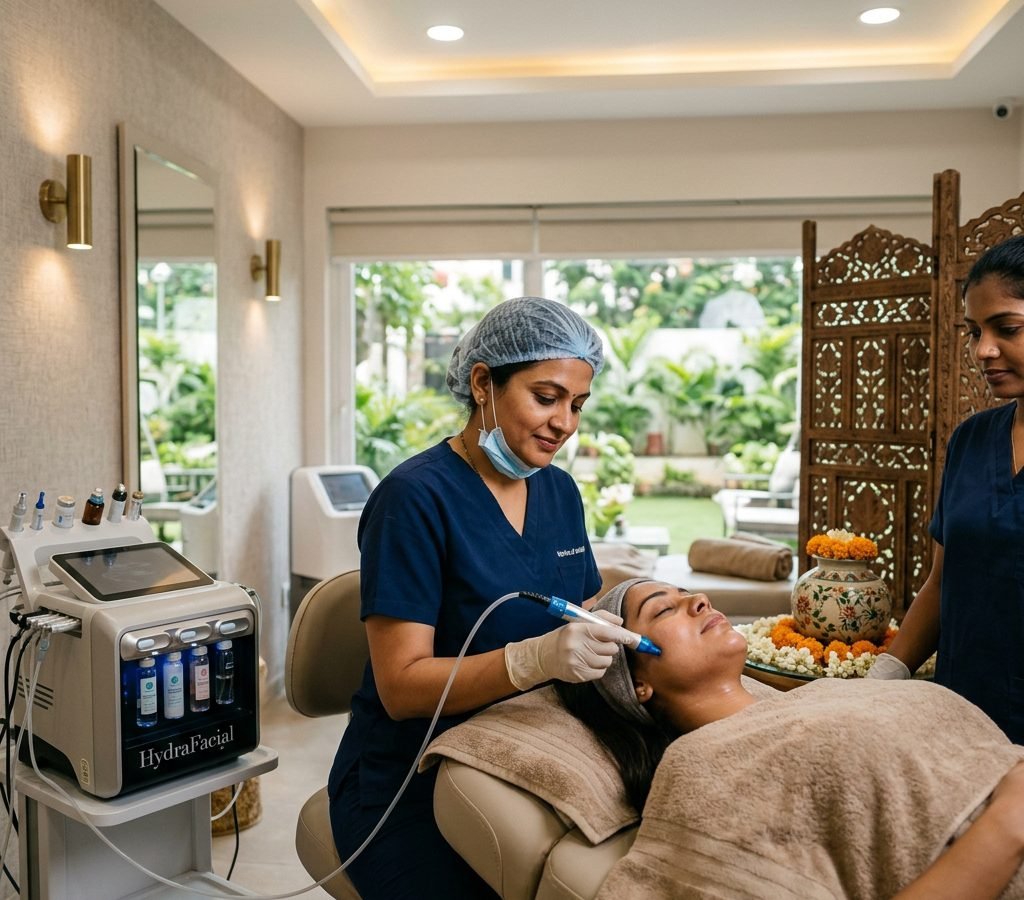
Indian skin tones require specialized post-surgical care. Since melanin-rich skin is more prone to post-inflammatory hyperpigmentation (PIH), utilizing targeted sun protection, avoiding premature sun exposure, and applying recommended topical retinoids or vitamin C serums is critical. Consult your dermatologist for a customized post-surgery topical routine.
Why Melanin-Rich Skin is Prone to PIH
Post-Inflammatory Hyperpigmentation (PIH) occurs when physical trauma, inflammation, or injury to the skin triggers melanocytes—the cells responsible for producing skin pigment—to produce excess melanin. In patients with Fitzpatrick skin types IV through VI, which are highly prevalent in the Indian population, these melanocytes are highly active. Any surgical incision or non-surgical aesthetic procedure represents a form of controlled trauma that can stimulate these cells, leading to dark spots or uneven patches along the incision line or treated area.
Key Prevention Strategies
- Rigorous Sun Protection: Ultraviolet (UV) radiation is the strongest external stimulator of melanogenesis. Apply a broad-spectrum physical sunscreen with an SPF of 50 or higher and a PA++++ rating every 3 hours, even if indoors.
- Incision Site Care: Avoid premature peeling or scratching of scabs. Keep the area moisturized with sterile ointment as prescribed by your surgeon to encourage optimal, low-inflammation cellular repair.
- Avoid Friction: Do not scrub or rub the healing area. Gentle cleansing with a soap-free, pH-balanced cleanser is key.
“Early intervention and sun avoidance are the two most powerful tools in preventing post-inflammatory hyperpigmentation. A patient’s compliance during the first 6 weeks determines the long-term aesthetic outcome.”
— Dr. Ananya Sharma, Lead Dermatologist
Recommended Topical Ingredients
Once the incision has fully closed and re-epithelialized (typically 2 to 3 weeks post-surgery), your dermatologist may recommend introducing mild, skin-brightening topicals to keep melanocytes quiet:
- Vitamin C (L-Ascorbic Acid): A powerful antioxidant that inhibits the tyrosinase enzyme, preventing melanin synthesis.
- Niacinamide (Vitamin B3): Prevents the transfer of melanosomes from melanocytes to keratinocytes, effectively halting pigment distribution.
- Azelaic Acid: Selectively targets hyperactive melanocytes, reducing pigmentation without bleaching normal skin.
- Silicone Gel: Helps maintain hydration at the scar site, suppressing the inflammatory signals that trigger pigment.