
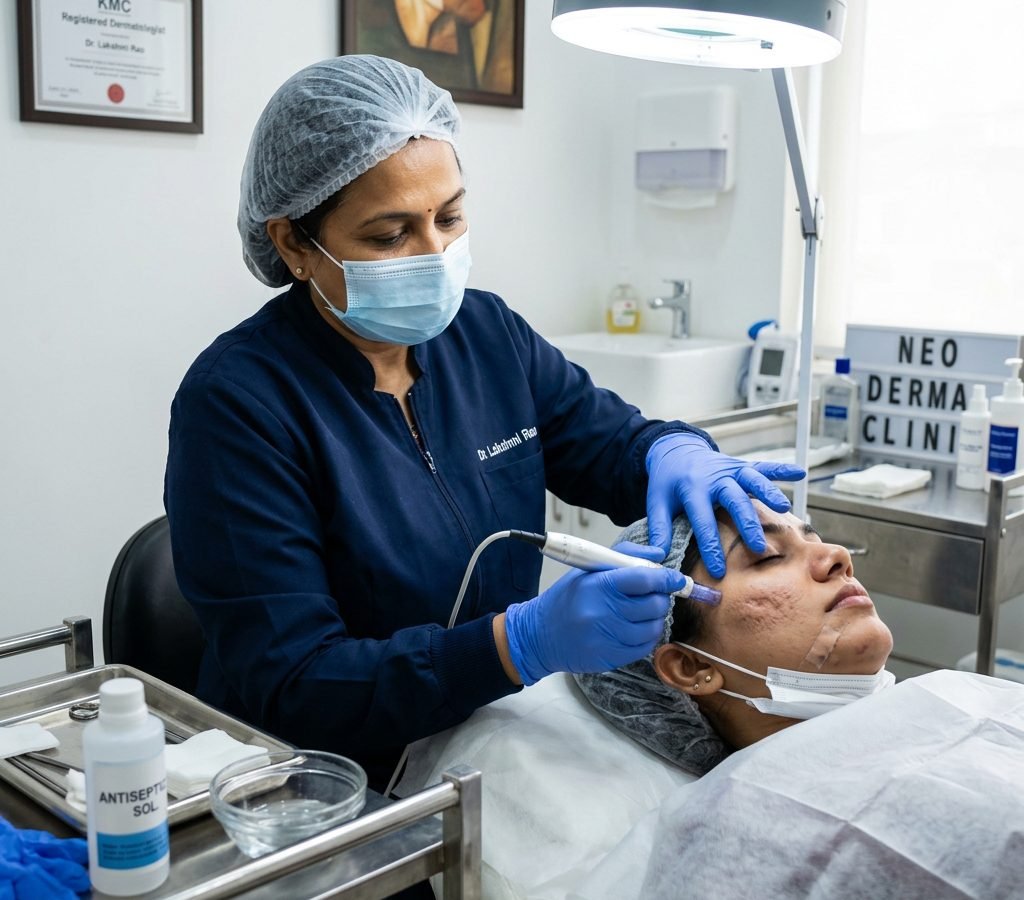
Hot and humid weather can affect surgical incisions and wound healing. Perspiration can irritate healing tissue and increase risk of mild infections. Keeping wound sites dry, staying in temperature-controlled spaces during the initial recovery weeks, and using silicone gel sheets are highly recommended strategies for Indian patients.
The Impact of Warm and Humid Climates on Wound Healing
In tropical and sub-tropical regions, high temperatures and humidity levels pose specific challenges for post-surgical scar care. Sweat contains salt and bacteria, which can seep into healing incisions during the first 10-14 days before the epidermis has fully sealed. This moisture buildup can lead to maceration (softening and breaking down of skin) and increases the risk of superficial wound infections. Furthermore, heat causes vasodilation, which can increase post-operative swelling and itching around the scar site.
Immediate Post-Op Wound Care Protocols
- Climate Control: Stay in air-conditioned environments as much as possible for the first 7 to 10 days to minimize sweating.
- Keep It Dry: If you do perspire, gently pat the area dry with a clean, sterile gauze pad. Do not rub the incision.
- Shower with Caution: Follow your surgeon’s instructions on when you can wet the wound. Typically, light washing with lukewarm water is permitted after 48 hours, followed by immediate pat-drying.
Long-term Scar Maturation and UV Protection
The scar maturation phase lasts up to 12-18 months. During this period, the new collagen is highly sensitive to solar radiation. In India’s high-UV climate, exposing a maturing scar to the sun can lead to permanent dark hyperpigmentation. A high-SPF physical sunblock must be applied to the scar daily once the wound has fully closed, supplemented by protective clothing or wide-brimmed hats.
“Humidity is the enemy of fresh incisions, while UV rays are the enemy of mature scars. Manage both meticulously to ensure your scar revisions heal into fine, flat, and faded lines.”
— Dr. Priya Nandakumar, Reconstructive Surgeon